

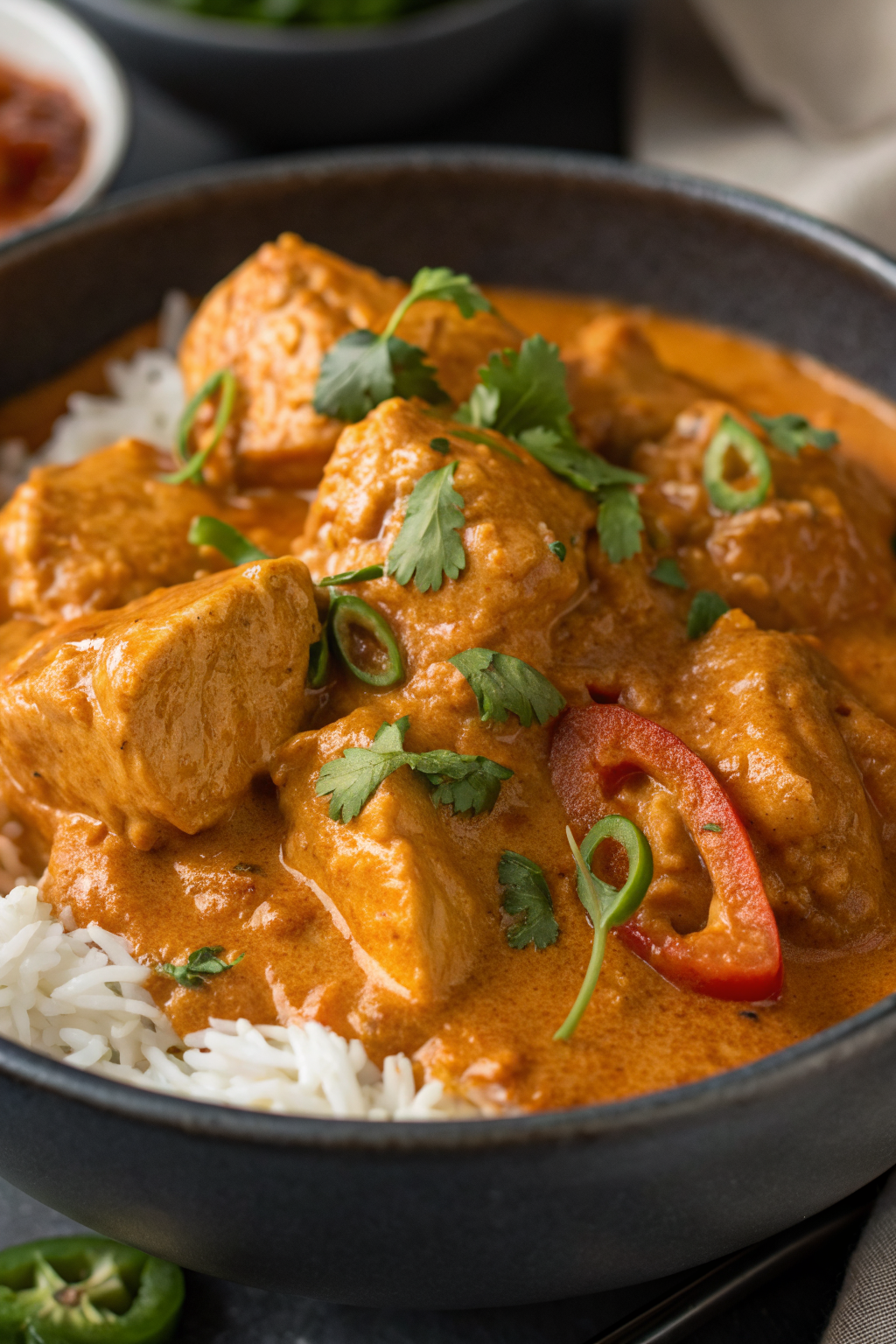
Crockpot Coconut Curry Chicken Recipe tastes rich, creamy, and a little bit spicy, with tender chicken that practically falls apart in your bowl. It works perfectly for busy weeknights, meal prep fans, or anyone who wants a cozy dinner in about 4 to 6 hours of mostly hands-off time. I tested this on my own picky family in a tiny apartment kitchen, and they scraped the crockpot clean.
Why Make This Crockpot Coconut Curry Chicken Recipe at Home
You control the spice level, the salt, and the quality of the ingredients, so the curry tastes fresher than takeout and costs less per serving. The crockpot does the slow simmering for you, so you toss everything in, walk away, and come back to a house that smells like your favorite curry spot.
This recipe also works really well for meal prep, since the flavors deepen in the fridge. You can keep it gluten free, dairy free, and easily adjust it for kids or heat lovers with a few simple tweaks.
“This Crockpot Coconut Curry Chicken Recipe tastes like restaurant curry with zero stress and the most tender chicken ever. ★★★★★”
Ingredients You Need
Main ingredients
- 2 to 2 ½ pounds boneless skinless chicken thighs
- Thighs stay juicy and forgiving in the crockpot. You can use chicken breasts, but they cook faster and can dry out, so watch the timing.
- 1 large yellow onion, thinly sliced
- 3 cloves garlic, minced
- 1 tablespoon fresh ginger, minced or grated
- Pantry shortcut: use 1 to 1 ½ teaspoons ginger paste from a tube.
Curry sauce
- 2 cans (13.5 to 14 ounces each) full-fat coconut milk
- I like Thai Kitchen or Chaokoh for consistent texture. Light coconut milk works, but the sauce turns thinner and less silky.
- 2 to 3 tablespoons red curry paste or yellow curry paste
- Use Thai red curry paste for more heat and brightness. Use yellow curry paste for a milder, slightly sweeter curry.
- 2 tablespoons curry powder
- A standard grocery store blend works. If you use a strong brand like S&B, start with 1 tablespoon and taste.
- 1 teaspoon ground turmeric
- 1 to 2 teaspoons kosher salt, plus more to taste
- ½ teaspoon black pepper
- 1 to 2 tablespoons brown sugar or coconut sugar
- This balances the spice and acidity. Start with 1 tablespoon and adjust at the end.
- 1 tablespoon soy sauce or tamari
- This adds depth and umami. Use tamari for gluten free.
- 1 tablespoon lime juice, plus more to taste
- Bottled lime juice works in a pinch, but fresh tastes brighter.
Vegetables
- 2 medium carrots, sliced into coins
- 1 red bell pepper, sliced into strips
- 1 cup small broccoli florets
- Add these near the end so they stay bright and not mushy.
- 1 small can (8 ounces) bamboo shoots or water chestnuts, drained
- Optional, but they add crunch and a takeout-style feel.
To serve
- Cooked jasmine rice, basmati rice, or brown rice
- Fresh cilantro, chopped
- Lime wedges
- Thinly sliced green onions
- Crushed peanuts or cashews, optional
Pantry shortcuts and substitutions
- Use pre-minced garlic and ginger from jars if you need speed.
- Swap chicken for boneless pork shoulder chunks or firm tofu cubes if you want a different protein.
- Use frozen stir fry vegetables instead of fresh; add them in the last hour so they do not turn soggy.
- Use curry paste plus a little extra coconut milk if you run low on curry powder.
Equipment list
- 4 to 6 quart crockpot or slow cooker
- Cutting board and sharp knife
- Measuring cups and spoons
- Wooden spoon or spatula
- Small bowl for mixing the sauce
- Rice cooker or pot for cooking rice
Tips & Mistakes
- Brown the chicken in a skillet for 3 to 4 minutes per side if you want extra flavor, but skip this step if you need a true dump-and-go meal.
- Place onions and carrots on the bottom of the crockpot, then add chicken on top, so the vegetables cook evenly and do not stay crunchy.
- Stir the curry paste into the coconut milk in a bowl before you pour it in, so the paste blends smoothly and does not clump.
- Start with less salt and sugar, then taste at the end and adjust, since slow cooking concentrates flavors.
- Add bell peppers and broccoli in the last 45 to 60 minutes on low, so they stay tender-crisp and keep their color.
- Avoid overcooking chicken breasts; check them at the 3 ½ to 4 hour mark on low so they stay juicy.
- Do not boil the coconut milk on high for long periods, or it can separate and look grainy.
- Taste the curry right before serving and brighten it with a squeeze of lime and a pinch of salt if it tastes flat.
- Keep the lid on as much as possible; constant peeking drops the temperature and stretches the cook time.
- Let the curry rest for 10 minutes after cooking, so the sauce thickens slightly and coats the chicken better.
How to Make Crockpot Coconut Curry Chicken Recipe
Step 1: Prep the chicken and vegetables
Slice the onion, carrots, and bell pepper. Cut broccoli into small florets so they cook quickly and evenly. Trim extra fat from the chicken thighs, but leave a little for flavor.
Scatter the sliced onions and carrots in the bottom of the crockpot. Lay the chicken thighs on top in a single layer as much as possible. Keep the bell pepper and broccoli aside for later.
Step 2: Mix the coconut curry sauce
In a medium bowl, whisk the coconut milk until smooth. Add curry paste, curry powder, turmeric, soy sauce or tamari, brown sugar, salt, pepper, garlic, and ginger. Whisk until the curry paste fully dissolves into the coconut milk.
Taste a small spoonful of the sauce. Adjust salt, sugar, or curry paste to match your heat and flavor preference. The sauce should taste slightly stronger than you want the final curry, since the vegetables and chicken will mellow it.
Step 3: Add sauce to the crockpot
Pour the coconut curry sauce over the chicken and vegetables in the crockpot. Gently move the chicken around with a spoon so the sauce coats everything. Make sure the chicken sits mostly submerged in the sauce.
Cover the crockpot with the lid. Set it to low for 4 to 6 hours or high for 2 ½ to 3 ½ hours. The chicken should turn very tender and reach 165°F internally.
Step 4: Add remaining vegetables
About 45 to 60 minutes before the end of the cook time on low, add the bell pepper strips, broccoli florets, and bamboo shoots or water chestnuts. Stir gently to tuck them into the sauce. Cover again and continue cooking until the vegetables turn tender but still hold their shape.
If you cook on high, add the vegetables about 30 minutes before the end. Stir once more halfway through if your crockpot heats unevenly. Start cooking your rice during this time so everything finishes together.
Step 5: Shred or slice the chicken
When the chicken feels tender, turn off the crockpot or switch it to warm. Transfer the chicken to a cutting board and shred it with two forks or slice it into bite-size pieces. Return the chicken to the crockpot and stir it into the sauce.
Stir in the lime juice. Taste and adjust with extra salt, a pinch of sugar, or more lime juice as needed. The sauce should taste creamy, slightly tangy, and warmly spiced.
Step 6: Thicken the sauce if needed
If the sauce seems too thin, remove the lid and let it sit on warm or low for 10 to 15 minutes. The steam will escape and the sauce will thicken slightly. You can also stir in a slurry of 1 tablespoon cornstarch mixed with 2 tablespoons cold water, then cook on high for 10 minutes.
If the sauce tastes too strong or thick, stir in a splash of extra coconut milk or a bit of chicken broth. Adjust seasoning again after thinning. Once the sauce coats the back of a spoon, it hits the right consistency for serving over rice.
Variations I've Tried
I swap the chicken thighs for cubed chicken breast when I want a leaner option and shorten the cook time so the meat stays tender. I also tried this Crockpot Coconut Curry Chicken Recipe with chickpeas and sweet potatoes for a meatless version, and it turned out hearty enough for lunch all week. Sometimes I stir in a spoonful of peanut butter at the end for a slightly nutty, satay-style twist.
I also like to add a handful of spinach right before serving, which wilts into the hot curry and adds color and nutrients. If I cook for spice lovers, I add extra curry paste and a chopped jalapeño or a pinch of red pepper flakes. For a milder family version, I use yellow curry paste, extra coconut milk, and a bit more brown sugar to soften the heat.
How to Serve Crockpot Coconut Curry Chicken Recipe
Serve this Crockpot Coconut Curry Chicken Recipe over fluffy jasmine or basmati rice so the grains soak up the sauce. Add a squeeze of lime juice, a sprinkle of cilantro, and some green onions on top for freshness and color. You can also spoon it over cauliflower rice or quinoa if you want a lighter base.
Pair it with cucumber slices, steamed green beans, or a simple side salad to balance the richness. If you pack lunches, portion the curry and rice into containers so you have grab-and-go meals that reheat beautifully in the microwave.
How to store
- Fridge: Cool the curry to room temperature within 1 hour, then store it in airtight containers for up to 4 days.
- Freezer: Portion the cooled curry into freezer-safe containers or bags, label with the date, and freeze for up to 3 months.
- Reheat on stove: Reheat gently in a saucepan over medium-low heat, stirring often, and add a splash of water or coconut milk if the sauce thickens too much.
- Reheat in microwave: Cover loosely and heat in 45 to 60 second bursts, stirring between each round, until hot and steamy.
- From frozen: Thaw overnight in the fridge when possible, or use the microwave defrost setting, then reheat as above and adjust seasoning with a little fresh lime and salt.
Crockpot Coconut Curry Chicken Recipe
Ingredients
Instructions
- Slice the onion, carrots, and red bell pepper. Cut the broccoli into small florets. Trim extra fat from the chicken thighs, leaving a little for flavor.
- Scatter the sliced onions and carrots in the bottom of a 4 to 6 quart crockpot. Lay the chicken thighs on top in as close to a single layer as possible. Set the bell pepper and broccoli aside for later.
- In a medium bowl, whisk the coconut milk until smooth. Add the curry paste, curry powder, turmeric, soy sauce or tamari, brown sugar, salt, pepper, garlic, and ginger. Whisk until the curry paste fully dissolves into the coconut milk.
- Taste a small spoonful of the sauce and adjust the salt, sugar, or curry paste to match your preferred heat and flavor level. The sauce should taste slightly stronger than you want the final curry.
- Pour the coconut curry sauce over the chicken and vegetables in the crockpot. Gently move the chicken around so the sauce coats everything and the chicken is mostly submerged.
- Cover and cook on low for 4 to 6 hours or on high for 2 1/2 to 3 1/2 hours, until the chicken is very tender and reaches at least 165°F internally.
- About 45 to 60 minutes before the end of the cook time if using low, add the bell pepper strips, broccoli florets, and bamboo shoots or water chestnuts. Stir gently to tuck them into the sauce, then cover and continue cooking until the vegetables are tender but still hold their shape. If cooking on high, add these vegetables about 30 minutes before the end.
- When the chicken is tender, turn the crockpot off or switch to warm. Transfer the chicken to a cutting board and shred it with two forks or slice into bite-size pieces. Return the chicken to the crockpot and stir into the sauce.
- Stir in the lime juice. Taste and adjust with more salt, a pinch of sugar, or extra lime juice as needed until the sauce tastes creamy, slightly tangy, and warmly spiced.
- If the sauce is too thin, remove the lid and let it sit on warm or low for 10 to 15 minutes to reduce slightly, or stir in a slurry of 1 tablespoon cornstarch mixed with 2 tablespoons cold water and cook on high for about 10 minutes until thickened. If the sauce is too thick or strong, stir in a splash of extra coconut milk or chicken broth and adjust the seasoning again.
- Serve the coconut curry chicken hot over cooked jasmine, basmati, or brown rice. Top with cilantro, green onions, lime wedges, and crushed peanuts or cashews if desired.
Notes
Approximate per serving (about 1/8 of recipe, without rice or optional toppings): 360 calories; fat 26 g; saturated fat 19 g; carbohydrates 10 g; fiber 2 g; sugars 4 g; protein 23 g; sodium 580 mg. Values will vary based on exact ingredients, brands, and portion size.