

Fresh Tomato Basil Marinara Sauce Recipe tastes bright, garlicky, and just a little bit rich, and it works for anyone who wants a simple, from-scratch sauce on the table in under an hour. It fits busy weeknights, date nights, and big Sunday batches you stash in the freezer for later. I first cooked a version of this in a tiny apartment kitchen with one wobbly burner, so if your setup feels imperfect, you still win with this sauce.
Why Fresh Tomato Basil Marinara Sauce Recipe Is Worth It
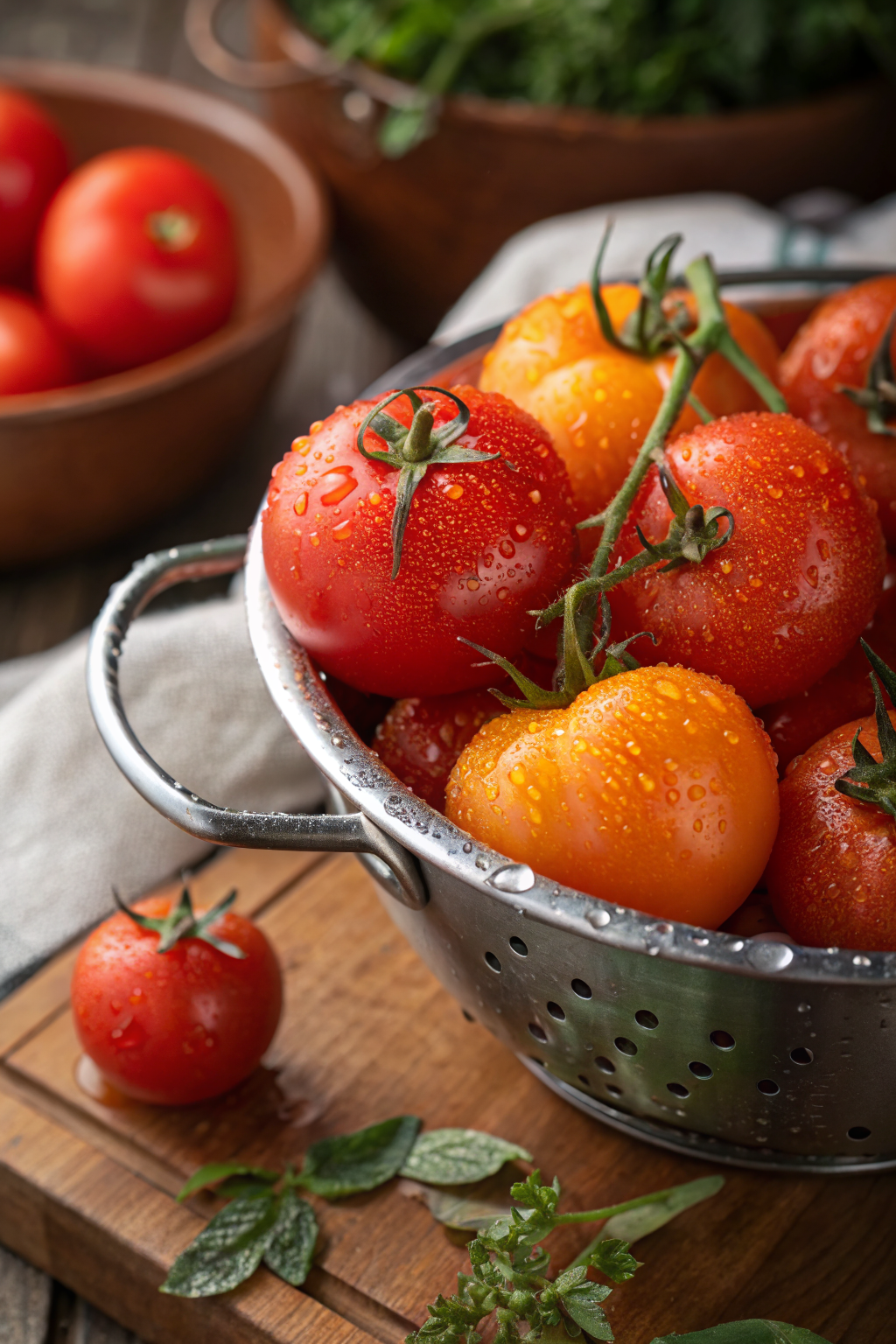
Fresh tomatoes and basil give this marinara sauce a clean, vibrant flavor that jarred sauce never matches. The garlic, olive oil, and a slow, gentle simmer round everything out so the sauce tastes balanced, not harsh or watery.
You control the salt, sweetness, and texture, so the Fresh Tomato Basil Marinara Sauce Recipe fits picky kids, spice lovers, and everyone in between. You also stretch a pile of summer tomatoes into several meals, which feels like a tiny kitchen magic trick.
This Fresh Tomato Basil Marinara Sauce Recipe tastes like an Italian grandma moved into my kitchen and started stirring the pot herself. ★★★★★
Ingredients You Need
Fresh ingredients
- 3 pounds ripe tomatoes
- Use Roma, plum, or any meaty tomato.
- In winter, use good canned whole San Marzano tomatoes as a shortcut.
- 1 medium yellow onion, finely diced
- 5 to 6 cloves garlic, minced
- 1 large carrot, finely grated
- This adds natural sweetness and cuts acidity so you skip sugar.
- 1 to 2 tablespoons tomato paste
- I like the tube style since it stores easily in the fridge.
- 1 small bunch fresh basil, leaves torn
- 1 to 2 teaspoons fresh oregano leaves, chopped
- Use 1 teaspoon dried oregano if you do not have fresh.
- 1 to 2 teaspoons sugar, optional
- Only use if the tomatoes taste very acidic.
- 1 to 2 teaspoons crushed red pepper flakes, optional
- Adjust for heat level you enjoy.
Pantry items
- 3 to 4 tablespoons extra virgin olive oil
- Use the good stuff here since it carries a lot of flavor.
- 1 teaspoon kosher salt to start, plus more to taste
- ½ teaspoon freshly ground black pepper
- ½ to 1 cup water or low sodium vegetable broth
- Use broth when you want a deeper flavor.
Optional flavor boosters
- 1 small bay leaf
- 1 to 2 tablespoons finely grated Parmesan or Pecorino rind simmered in the pot
- 1 teaspoon balsamic vinegar at the end for brightness
Equipment list
- Large pot or wide saucepan with high sides
- Cutting board and sharp knife
- Box grater for the carrot
- Wooden spoon or heat safe spatula
- Blender, immersion blender, or potato masher
- Ladle and storage containers with tight lids
Quick Tips & substitutions
- Use canned whole tomatoes when fresh tomatoes look pale or feel hard.
- Peel tomatoes easily by scoring an X on the bottom, blanching 30 seconds, then slipping off the skins.
- Skip peeling when you plan to blend the sauce very smooth.
- Add grated carrot instead of sugar to soften acidity in a more natural way.
- Use dried basil and oregano only in a pinch and add them early so they soften.
- Stir in fresh basil at the end so it stays bright and fragrant.
- Keep the heat low while the sauce simmers so it thickens slowly and does not scorch.
- Blend only part of the sauce if you want a mix of chunky and smooth texture.
- Use olive oil generously since it carries flavor and gives the sauce a silky feel.
- Freeze the sauce in flat freezer bags for quick thawing on busy nights.
How to Make Fresh Tomato Basil Marinara Sauce Recipe
Step 1: Prep the tomatoes
Score a small X on the bottom of each tomato with a sharp knife. Drop the tomatoes into a pot of boiling water for 30 to 45 seconds, then move them into a bowl of ice water. Slip off the skins, cut out the cores, and roughly chop the tomatoes.
If you use canned whole tomatoes, crush them by hand in a bowl or pulse them a few times in a blender. Aim for a chunky texture at this stage since the sauce will break down more as it cooks. Set the tomatoes aside and keep any juices.
Step 2: Build the flavor base
Heat the olive oil in a large pot over medium heat until it shimmers. Add the diced onion and a pinch of salt, then cook 5 to 7 minutes until the onion turns soft and translucent. Stir often so the onion softens evenly and does not brown too fast.
Add the grated carrot and cook 2 to 3 minutes until it softens and smells sweet. Stir in the minced garlic and cook about 30 seconds until it smells fragrant. Add the tomato paste and cook 1 to 2 minutes while you stir, so it darkens slightly and tastes richer.
Step 3: Add tomatoes and seasonings
Pour in the chopped tomatoes with all their juices. Add oregano, bay leaf if you use it, crushed red pepper flakes, black pepper, and another pinch of salt. Stir well so everything mixes and the tomato paste dissolves into the sauce.
If the mixture looks very thick, add ½ cup water or broth. Bring the sauce up to a gentle bubble, then lower the heat to a steady simmer. You want small, lazy bubbles, not a full boil.
Step 4: Simmer to develop flavor
Let the sauce simmer uncovered for 25 to 35 minutes. Stir every few minutes and scrape the bottom of the pot so nothing sticks. The sauce will thicken, the color will deepen, and the flavor will turn sweeter and more concentrated.
Taste a spoonful after about 20 minutes. Adjust salt, add a pinch of sugar if the sauce tastes sharp, and keep simmering until you like the texture. Add a splash more water if it thickens too much before the tomatoes soften fully.
Step 5: Add basil and finish the sauce
Turn the heat to low. Stir in the torn basil leaves and any cheese rind if you use it. Let the sauce bubble gently 5 more minutes so the basil flavor infuses.
Fish out the bay leaf and cheese rind. Taste again and adjust salt and pepper. Add a tiny splash of balsamic vinegar if you want more brightness.
Step 6: Choose your texture
For a rustic marinara, leave the sauce chunky and just mash it lightly with a potato masher. For a smoother Fresh Tomato Basil Marinara Sauce Recipe, blend part or all of the sauce with an immersion blender right in the pot. Blend in short bursts so you keep control over the thickness.
If you use a regular blender, cool the sauce slightly, work in small batches, and vent the lid so steam escapes safely. Return the sauce to the pot if needed and warm it back up over low heat. Taste one last time and adjust seasoning.
Recipe Variations
- Gluten free: The sauce already stays gluten free, so just pair it with gluten free pasta or zucchini noodles.
- Vegan: Use vegetable broth, skip cheese rind, and finish with a drizzle of extra olive oil for richness.
- Low carb: Serve over spiralized zucchini, roasted eggplant slices, or spaghetti squash instead of pasta.
- Extra protein: Stir in cooked lentils, chickpeas, or crumbled Italian style turkey sausage.
- Spicy: Add more crushed red pepper flakes or a pinch of chili powder while the sauce simmers.
- Extra herby: Add fresh parsley and extra oregano along with the basil at the end.
- Creamy: Stir in a splash of heavy cream or a spoonful of cashew cream right before serving.
Ways to Serve Fresh Tomato Basil Marinara Sauce Recipe
- Toss with hot pasta and finish with grated Parmesan and extra basil.
- Spoon over grilled chicken or turkey cutlets.
- Use as a dipping sauce for mozzarella sticks, garlic bread, or roasted vegetables.
- Layer in lasagna or baked ziti.
- Top cooked meatballs and serve with a side of garlic toast.
- Spread on pizza dough as a simple pizza sauce.
- Serve over polenta with a sprinkle of cheese and fresh herbs.
Storage Success
Cool the Fresh Tomato Basil Marinara Sauce Recipe to room temperature before you pack it up. Store it in airtight containers in the fridge for up to 5 days, and use smaller containers so it chills quickly. Freeze portions in freezer safe containers or flat bags for up to 3 months, then label them with the date so you track freshness. Reheat gently on the stove over low heat, add a splash of water if it thickens, and toss in a few fresh basil leaves to wake the flavor back up.
Fresh Tomato Basil Marinara Sauce Recipe
Ingredients
Instructions
- Score a small X on the bottom of each fresh tomato. Drop the tomatoes into boiling water for 30–45 seconds, then transfer to a bowl of ice water.
- Slip off the skins, cut out the cores, and roughly chop the tomatoes, reserving all juices. If using canned whole tomatoes, crush them by hand in a bowl or pulse briefly in a blender for a chunky texture.
- Heat the olive oil in a large pot over medium heat until it shimmers. Add the diced onion and a pinch of salt, and cook 5–7 minutes, stirring often, until soft and translucent.
- Add the grated carrot and cook 2–3 minutes until it softens and smells sweet. Stir in the minced garlic and cook about 30 seconds until fragrant.
- Add the tomato paste and cook 1–2 minutes, stirring, until it darkens slightly and smells richer.
- Pour in the chopped tomatoes with all their juices. Add oregano, bay leaf if using, crushed red pepper flakes, black pepper, and another pinch of salt. Stir well so everything combines and the tomato paste dissolves.
- If the mixture looks very thick, add 1/2 cup water or vegetable broth. Bring to a gentle bubble, then lower the heat to a steady simmer with small, lazy bubbles.
- Simmer the sauce uncovered for 25–35 minutes, stirring every few minutes and scraping the bottom so it does not stick.
- After about 20 minutes, taste and adjust salt. If the sauce tastes very sharp or acidic, stir in a pinch of sugar. Add a splash more water or broth if it thickens too much before the tomatoes soften fully.
- Turn the heat to low. Stir in the torn basil leaves and add the cheese rind if using. Let the sauce bubble gently for about 5 minutes so the basil and cheese infuse the sauce.
- Remove the bay leaf and cheese rind. Taste and adjust salt and pepper again, and add a tiny splash of balsamic vinegar if you want extra brightness.
- For a rustic marinara, leave the sauce chunky or mash it lightly with a potato masher.
- For a smoother sauce, blend part or all of the sauce with an immersion blender in short bursts until it reaches your preferred thickness.
- If using a regular blender, let the sauce cool slightly, blend in small batches with the lid vented for steam, then return to the pot and rewarm gently over low heat. Taste once more and adjust seasoning before serving.
Notes
Approximate per 1/2-cup serving (about 8 servings total): 90 calories; fat 6 g; saturated fat 1 g; carbohydrates 9 g; fiber 2 g; sugars 5 g; protein 2 g; sodium 260 mg. Values will vary based on tomato type, oil amount, added cheese rind, and portion size.
Leave a Reply