
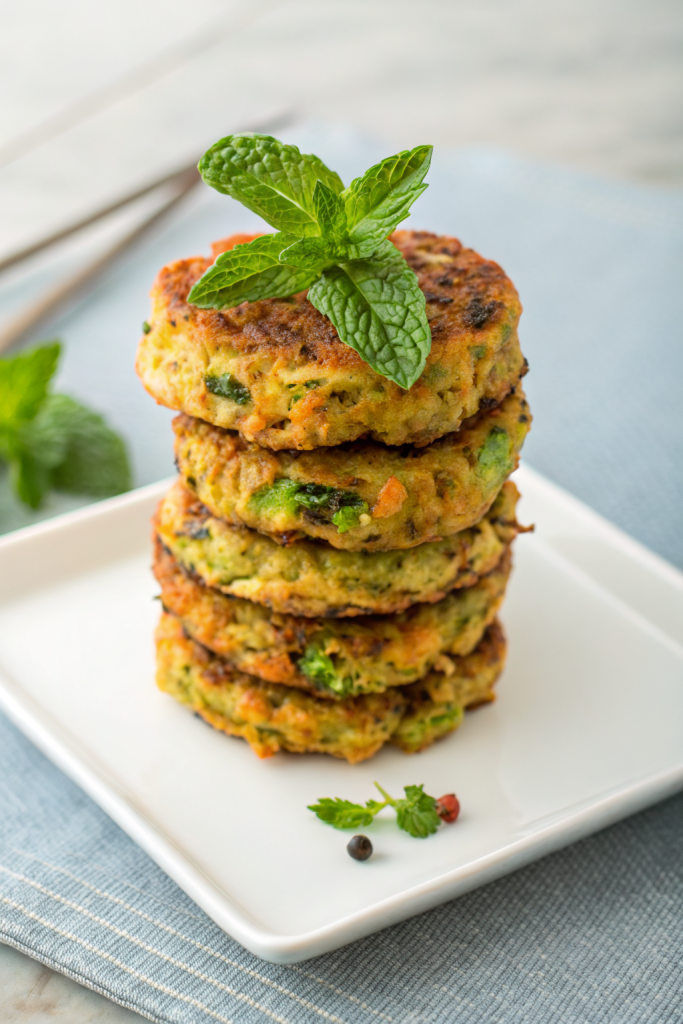
Original Santorini Tomato Fritters Recipe tastes like crispy summer on a plate, with sweet tomatoes, herbs, and salty feta in every bite. It suits anyone who loves Greek flavors, wants an easy vegetarian appetizer, and has about 40 minutes from start to finish. I first fell in love with these in a tiny taverna in Oia, and I have chased that same flavor in my home kitchen ever since.
Why Original Santorini Tomato Fritters Recipe Is Worth It
These Greek tomato fritters pack huge flavor from very simple ingredients. You get sweet, juicy tomato, fresh herbs, creamy feta, and a light crunch that feels comforting but not heavy.
The batter comes together in one bowl and cooks quickly, so you can serve them as a snack, appetizer, or light dinner. They also use pantry staples, so you can pull this off even when the fridge looks a little sad.
“These tasted exactly like the tomato fritters I ate in Santorini, only hotter and crispier because they came straight from my own skillet. ★★★★★”
Ingredients You Need
Fresh ingredients
- Ripe tomatoes, about 4 medium (Roma or vine ripe), finely chopped
- Red onion, 1 small, finely minced
- Scallions, 2 to 3, thinly sliced
- Fresh mint leaves, small handful, finely chopped
- Fresh parsley, small handful, finely chopped
- Garlic, 2 cloves, minced
- Lemon, 1, zested and juiced
I like Roma tomatoes because they hold less water, which keeps the fritters crisp. If you only have very juicy tomatoes, you can seed them or squeeze them gently to remove extra liquid.
Dairy
- Feta cheese, 3 to 4 ounces, crumbled
- Greek yogurt, 2 tablespoons, optional, for extra tenderness
Choose a block of feta in brine if possible, since it tastes creamier and saltier than pre-crumbled versions. You can use cow, sheep, or goat feta, though sheep milk feta tastes closest to what you get in Greece.
Dry ingredients
- All purpose flour, about 1 cup, plus 1 to 2 tablespoons if needed
- Baking powder, 1 teaspoon
- Fine sea salt, about 1 teaspoon, to taste
- Freshly ground black pepper, to taste
- Dried oregano, 1 teaspoon
- Ground cumin, 1 pinch, optional, for warmth
You can swap half the all purpose flour with fine semolina for extra crunch. If you keep self rising flour in the pantry, you can use that and skip the baking powder and some of the salt.
Oil and finishing
- Olive oil, for the batter, 1 tablespoon
- Light olive oil or neutral oil, for shallow frying, about 1 to 1½ cups
- Extra lemon wedges, for serving
- Crumbled feta and chopped herbs, for garnish
Use light olive oil or a neutral oil with a high smoke point for frying. Save your expensive extra virgin olive oil for drizzling at the table.
Equipment list
- Large mixing bowl
- Fine mesh strainer or colander
- Cutting board and sharp knife
- Box grater or microplane for lemon zest
- Large skillet or wide, heavy pan
- Slotted spoon or small spatula
- Paper towels or a wire rack
- Measuring cups and spoons
Quick Tips & substitutions
- Pat or lightly squeeze chopped tomatoes to reduce excess moisture and keep fritters crisp.
- Chill the batter for 15 to 20 minutes so the flour hydrates and the mixture thickens.
- Test one small fritter first to check seasoning and texture, then adjust salt or flour.
- Add a spoonful of flour at a time if the batter looks too loose and spreads in the pan.
- Use gluten free all purpose blend instead of regular flour for a gluten free version.
- Swap feta with crumbled vegan feta or firm tofu for a dairy free option.
- Use dried mint if you lack fresh, but cut the amount in half since dried herbs taste stronger.
- Fry over medium heat, not high, so the fritters cook through without burning.
- Keep cooked fritters on a wire rack in a low oven so they stay crisp while you finish the batch.
How to Make Original Santorini Tomato Fritters Recipe
Step 1: Prep the tomatoes and aromatics
Chop the tomatoes into small pieces, about pea size, and place them in a colander set over a bowl. Sprinkle with a small pinch of salt and let them sit for 10 minutes so some liquid drains out. Gently press with your hand or the back of a spoon to release a bit more juice, then add the tomatoes to a large mixing bowl.
Add the minced red onion, sliced scallions, chopped mint, chopped parsley, and minced garlic to the bowl. Sprinkle in the lemon zest and squeeze in about 1 tablespoon of lemon juice. Stir everything so the herbs and aromatics distribute evenly through the tomatoes.
Step 2: Add feta and seasonings
Crumble the feta directly into the tomato mixture. Add dried oregano, a pinch of cumin if you use it, black pepper, and a small pinch of salt. Mix gently so the feta stays in small chunks.
Taste a bit of the mixture so you can gauge salt levels, since feta already brings salt. Adjust with more salt, pepper, or lemon juice until the mixture tastes bright and savory.
Step 3: Build the batter
Sprinkle the flour and baking powder over the tomato mixture. Add the Greek yogurt and 1 tablespoon of olive oil. Stir with a spoon or spatula until the flour coats everything and forms a thick, sticky batter.
The mixture should look like a chunky, thick drop batter, not a pourable pancake batter. If it looks too wet and loose, add 1 to 2 tablespoons more flour, a little at a time, until it holds its shape on a spoon. If it looks too stiff and dry, splash in a teaspoon or two of water or lemon juice.
Step 4: Rest the batter
Let the batter sit at room temperature for about 15 minutes. This short rest allows the flour to hydrate and the mixture to thicken slightly. Use this time to set up your frying station and line a plate or tray with paper towels or a wire rack.
If your kitchen feels very warm, you can place the bowl in the fridge during this rest. Stir the batter once more before you start frying.
Step 5: Heat the oil
Pour about ¼ inch to ⅓ inch of light olive oil or neutral oil into a large skillet. Set the pan over medium heat and give it a few minutes to come up to temperature. You want the oil hot enough so a small drop of batter sizzles immediately.
If you own a thermometer, aim for about 350 to 360 degrees Fahrenheit. If the oil smokes, lower the heat and let it cool slightly before you start.
Step 6: Fry a test fritter
Scoop a heaping tablespoon of batter and gently slide it into the hot oil. Flatten it slightly with the back of the spoon so it cooks evenly. Fry this test fritter for about 2 to 3 minutes per side, until it turns deep golden and crisp.
Remove it to the paper towel or rack and let it cool for a minute. Taste it to check salt, herbs, and texture. Adjust the batter with more salt, pepper, herbs, or a spoonful of flour if needed.
Step 7: Fry the remaining fritters
Drop spoonfuls of batter into the hot oil, leaving space between each fritter so they do not stick together. Shape them into rough rounds and flatten them slightly. Cook in batches so you do not crowd the pan.
Fry each side for about 2 to 3 minutes, until the fritters look deep golden and crisp at the edges. Adjust the heat as needed so they brown steadily and cook through. Transfer each batch to the paper towel or rack and keep them warm in a low oven if you like.
Step 8: Finish and serve
Squeeze a little fresh lemon juice over the hot fritters. Sprinkle with extra chopped mint or parsley and a bit more crumbled feta. Serve them while they still taste hot and crisp.
You can pair them with a simple yogurt dip, tzatziki, or even plain Greek yogurt with lemon and salt. Set them out as a meze plate, appetizer, or side dish with a fresh salad.
Recipe Variations
- Gluten free: Use a gluten free all purpose flour blend and check that your baking powder lists gluten free on the label.
- Vegan: Use vegan feta and a plant based yogurt or skip the yogurt and add a splash of sparkling water for lightness.
- Low carb: Swap part of the flour with fine almond flour and keep the fritters smaller so they hold together.
- Extra veggie: Add finely grated zucchini or carrot, then squeeze out as much moisture as possible before mixing in.
- Spicy: Add chopped fresh chili or a pinch of red pepper flakes for a gentle kick.
- Herby: Increase mint and parsley and add fresh dill for a more intense herb flavor.
Ways to Serve Original Santorini Tomato Fritters Recipe
- Serve with a bowl of tzatziki or plain Greek yogurt with lemon, salt, and olive oil.
- Pair with a big Greek salad, olives, and warm pita for a light meal.
- Pack them in a lunchbox with cucumber sticks, cherry tomatoes, and hummus.
- Offer them as a party appetizer with toothpicks and a trio of dips like yogurt, hummus, and roasted red pepper sauce.
- Enjoy them at brunch with scrambled eggs and fresh fruit on the side.
Storage Success
Let the tomato fritters cool completely before you store them, so steam does not soften the crust too much. Place them in an airtight container with parchment between layers and keep them in the fridge for up to 3 days. Reheat them in a hot skillet with a tiny bit of oil or in a 375 degree Fahrenheit oven or air fryer until they feel hot and crisp again.
You can also freeze them in a single layer on a tray, then move them to a freezer bag once solid and keep them for up to 2 months. Reheat from frozen in the oven or air fryer so they keep their texture and flavor.
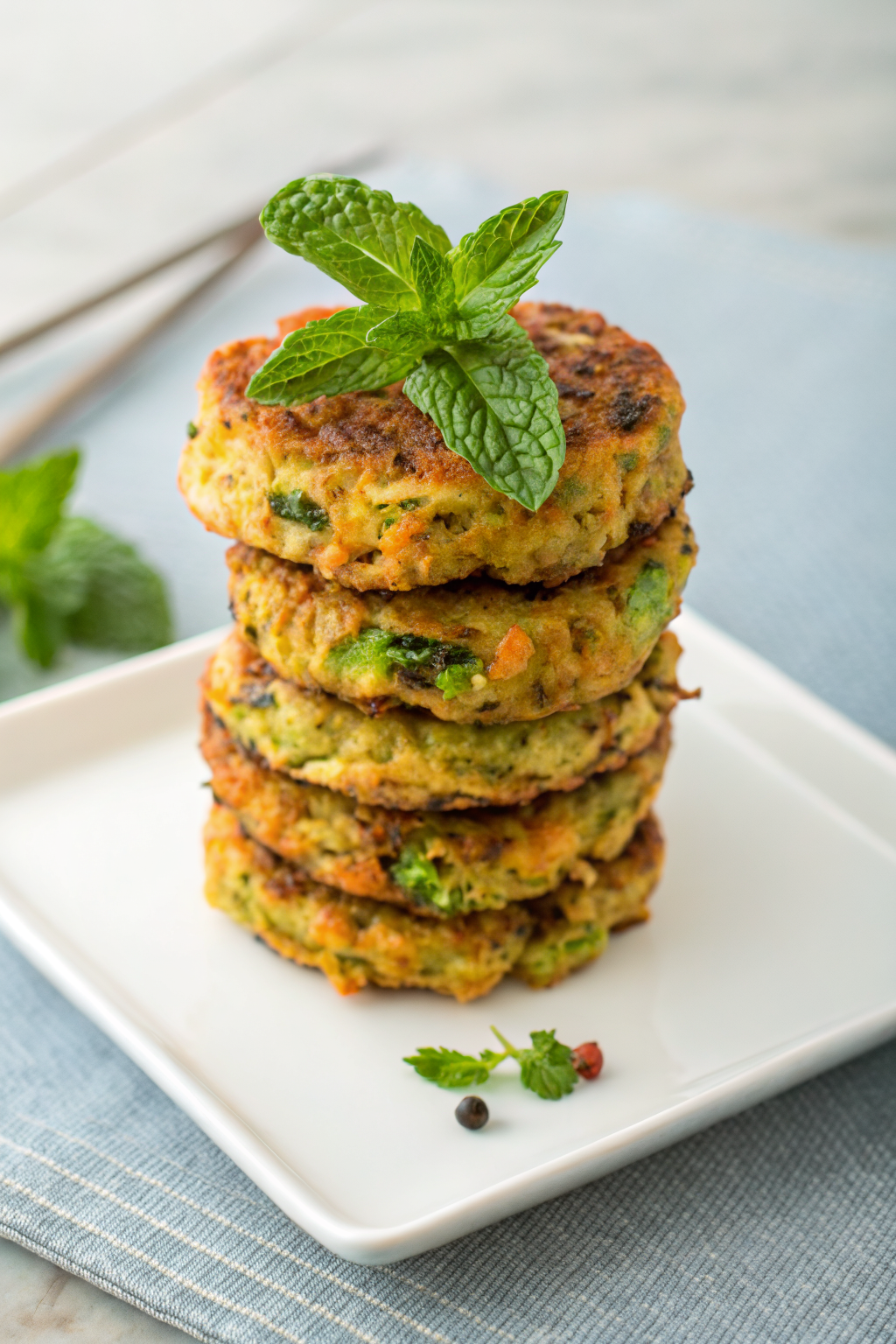
Original Santorini Tomato Fritters
Ingredients
Instructions
- Chop the tomatoes into small, pea-size pieces and place them in a colander set over a bowl. Sprinkle with a small pinch of salt and let sit for about 10 minutes to drain excess liquid, then gently press to release a bit more juice.
- Transfer the drained tomatoes to a large mixing bowl. Add the minced red onion, sliced scallions, chopped mint, chopped parsley, and minced garlic. Add the lemon zest and about 1 tablespoon of lemon juice, then stir to combine.
- Crumble the feta into the tomato mixture. Add the dried oregano, a pinch of cumin if using, black pepper, and a small pinch of salt. Mix gently so the feta stays in small chunks, then taste and adjust salt, pepper, or lemon juice as needed.
- Sprinkle the flour and baking powder over the tomato mixture. Add the Greek yogurt and 1 tablespoon of olive oil. Stir until everything is coated and a thick, sticky drop batter forms. If the batter seems too loose and spreads, add 1–2 tablespoons more flour; if too stiff, add a teaspoon or two of water or lemon juice.
- Let the batter rest at room temperature for about 15 minutes so the flour hydrates and the mixture thickens slightly. Meanwhile, line a plate or tray with paper towels or set up a wire rack for draining the fritters.
- Pour about 1/4–1/3 inch of light olive oil or neutral oil into a large skillet and set over medium heat. Heat until a small drop of batter sizzles immediately when added (about 350–360°F if using a thermometer).
- Fry a test fritter by dropping a heaping tablespoon of batter into the hot oil and flattening it slightly with the back of the spoon. Cook for 2–3 minutes per side, until deep golden and crisp. Drain on the prepared plate or rack, let cool briefly, taste, and adjust the remaining batter with more salt, herbs, or a bit more flour if needed.
- Fry the remaining batter in batches, dropping spoonfuls into the oil, shaping into rough rounds and flattening slightly. Cook 2–3 minutes per side, adjusting the heat as needed so they brown steadily without burning. Transfer cooked fritters to the lined plate or rack.
- While still hot, squeeze a little fresh lemon juice over the fritters and sprinkle with extra chopped herbs and crumbled feta if desired. Serve right away as an appetizer or light meal, optionally with tzatziki or plain Greek yogurt for dipping.
Notes
Approximate per serving (1 of 4): 260–300 calories; fat 18–20 g; saturated fat 5–6 g; carbohydrates 19–22 g; fiber 2 g; sugars 5–6 g; protein 7–9 g; sodium 480–620 mg. Values will vary based on exact tomato size, feta type, frying oil absorption, and portion size.
Leave a Reply