
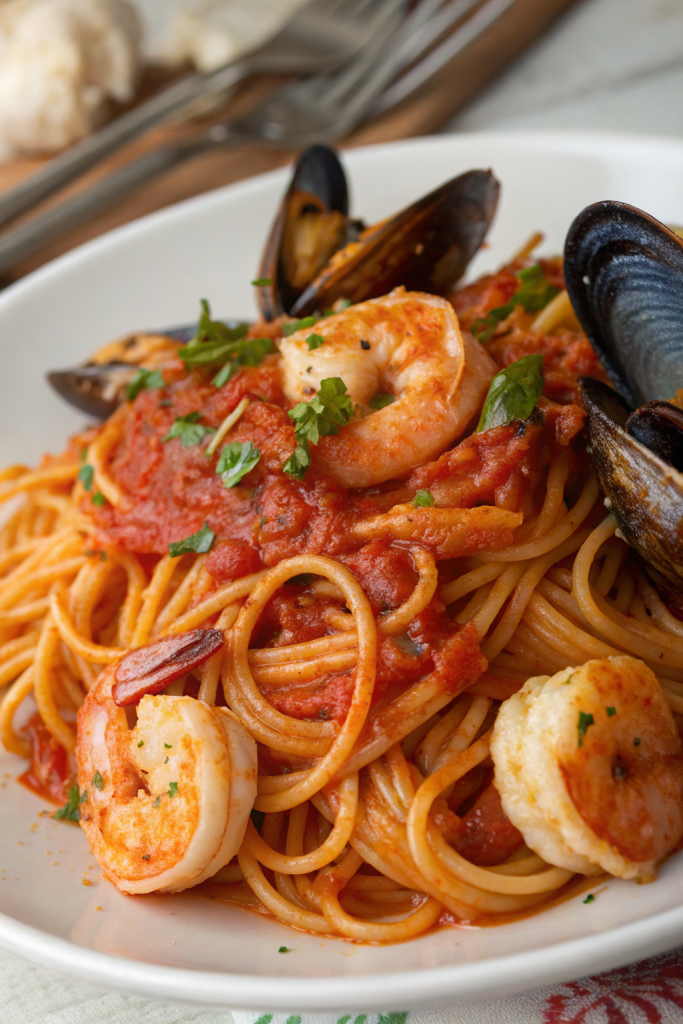
Shrimp Pasta Recipe tastes rich, garlicky, a little zesty, and feels like a restaurant dish that snuck into your kitchen in under 30 minutes. It works perfectly for busy weeknights, at-home date nights, or when you want something impressive without babysitting a sauce all evening. I first cooked this on a Tuesday in sweatpants, so you can absolutely keep it low-key and still feel fancy.
Why Make This Shrimp Pasta Recipe at Home
You control the garlic, the spice, and the amount of shrimp, which already beats most takeout. You also skip heavy, gloopy sauces and get a light, silky one that clings to every noodle.
You pull this off in about half an hour, which fits real life. Cleanup stays simple, and you only need basic pantry ingredients plus a bag of shrimp from the freezer aisle.
“This Shrimp Pasta Recipe tastes like a restaurant meal, cooks like a weeknight dinner, and disappears from plates in record time. ★★★★★”
Ingredients You Need
Shrimp
-
1 pound large shrimp, peeled and deveined, tails on or off
- Frozen shrimp work great; thaw them in a bowl of cold water for 15 to 20 minutes.
- Choose 21 to 25 count per pound for a nice bite that does not overcook too fast.
-
1 teaspoon kosher salt
-
1/2 teaspoon black pepper
-
1/2 teaspoon smoked or sweet paprika
-
1/4 teaspoon crushed red pepper flakes, more to taste
Pasta
-
12 ounces spaghetti, linguine, or fettuccine
- Use regular wheat pasta or a good gluten free brand if you need it.
- Long noodles grab the sauce nicely, but short pasta like penne still works.
-
1 tablespoon kosher salt for the pasta water
Sauce
-
3 tablespoons olive oil
-
2 tablespoons unsalted butter
-
4 to 5 cloves garlic, finely minced
-
Zest of 1 lemon
-
Juice of 1/2 to 1 lemon, to taste
-
1/2 cup low sodium chicken broth or vegetable broth
-
1/2 cup reserved starchy pasta water
-
1/3 cup grated Parmesan cheese, plus more for serving
- Use real Parmesan or Grana Padano, not the green can.
-
2 tablespoons chopped fresh parsley or basil
-
Optional: 1/4 cup heavy cream for a creamier shrimp pasta recipe
Pantry shortcuts and notes
- Use jarred minced garlic if you feel tired, but fresh garlic gives better flavor.
- Use bottled lemon juice in a pinch, though fresh lemon tastes brighter.
- Pre grated Parmesan saves time, but grate it yourself if you want the smoothest sauce.
Equipment
- Large pot for boiling pasta
- Large deep skillet or sauté pan
- Tongs or pasta fork
- Measuring cups and spoons
- Microplane or small grater for lemon zest and cheese
- Colander
Tips & Mistakes
- Salt the pasta water generously so the noodles already taste good before the sauce touches them.
- Dry the shrimp with paper towels so they sear instead of steaming in the pan.
- Do not crowd the skillet; cook shrimp in two batches if the pan looks packed.
- Pull the shrimp off the heat as soon as they turn pink and opaque so they stay juicy.
- Keep the heat at medium when you add garlic so it turns fragrant, not bitter.
- Add the lemon juice slowly and taste, since too much can overpower the sauce.
- Reserve pasta water before you drain the pot; it turns a thin sauce into a silky one.
- Toss the pasta with the sauce over low heat so the cheese melts smoothly and does not clump.
- Add cream at the end and keep the heat gentle so the sauce stays smooth.
- Taste and adjust salt, pepper, and red pepper flakes right before serving so the flavors pop.
How to Make Shrimp Pasta Recipe
Step 1: Boil the pasta
Bring a large pot of water to a rolling boil and add 1 tablespoon of kosher salt.
Drop in the pasta and cook until al dente, usually 1 to 2 minutes less than the package suggests.
Scoop out at least 1 cup of starchy pasta water, then drain the pasta and set it aside.
Step 2: Season the shrimp
Pat the shrimp dry with paper towels and place them in a bowl.
Sprinkle with salt, black pepper, paprika, and red pepper flakes, then toss until every shrimp looks coated.
Set the bowl near the stove so you can work quickly.
Step 3: Sear the shrimp
Heat 2 tablespoons of olive oil in a large skillet over medium high heat.
Add the shrimp in a single layer and cook 1 to 2 minutes per side until they turn pink and opaque.
Move the cooked shrimp to a plate and keep them near the stove.
Step 4: Build the garlic lemon sauce
Turn the heat to medium and add the remaining 1 tablespoon of olive oil and the butter to the skillet.
When the butter melts, add the minced garlic and stir for about 30 seconds until it smells fragrant.
Add the lemon zest and stir again, then pour in the chicken broth and scrape up any browned bits from the bottom of the pan.
Step 5: Thicken the sauce
Let the broth simmer for 2 to 3 minutes so it reduces slightly and tastes more concentrated.
Stir in 1/4 cup of the reserved pasta water and bring it back to a gentle simmer.
Add the lemon juice a little at a time, taste, and stop when the sauce tastes bright but balanced.
Step 6: Add pasta and cheese
Turn the heat to low and add the drained pasta straight into the skillet.
Sprinkle in the Parmesan and toss quickly with tongs so the cheese melts into the liquid and coats the noodles.
Splash in more pasta water, a few tablespoons at a time, until the sauce looks glossy and clings to the pasta.
Step 7: Finish with shrimp and herbs
Add the cooked shrimp and any juices from the plate back into the skillet.
Toss gently until the shrimp warm through and the sauce coats everything.
Stir in the chopped parsley or basil and taste again, then adjust salt, pepper, or red pepper flakes.
Optional Step 8: Creamy version
If you want a creamy shrimp pasta recipe, pour in the heavy cream after you add the pasta water.
Stir over low heat until the sauce turns velvety and slightly thick.
Add the cheese after the cream warms, then toss with pasta and shrimp.
Variations I've Tried
I swap the lemon for lime and add extra chili flakes and a pinch of cumin for a spicy twist.
I toss in a handful of cherry tomatoes and baby spinach during the sauce step so they soften and add color.
I use whole wheat pasta or chickpea pasta when I want more fiber and protein.
I also stir in a spoonful of pesto at the end sometimes, which turns this into a herby shrimp pasta recipe with almost no extra work.
How to Serve Shrimp Pasta Recipe
Serve this shrimp pasta recipe hot in warm bowls so the sauce stays silky.
Top each serving with extra Parmesan, more herbs, and a squeeze of lemon if you like a bright finish.
Add a simple green salad or steamed broccoli on the side to round out the meal.
Garlic bread or toasted baguette slices also taste great and help scoop up every last bit of sauce.
How to store
- Cool leftovers to room temperature within 30 to 45 minutes, then transfer them to an airtight container.
- Store in the fridge for up to 3 days; the pasta will soak up some sauce but still tastes great.
- Freeze in a freezer safe container for up to 2 months, though the texture of the pasta softens slightly.
- Reheat gently in a skillet over low heat with a splash of water or broth, tossing until hot and saucy again.
- You can also reheat in the microwave in short bursts, stirring between each burst so the shrimp do not overcook.
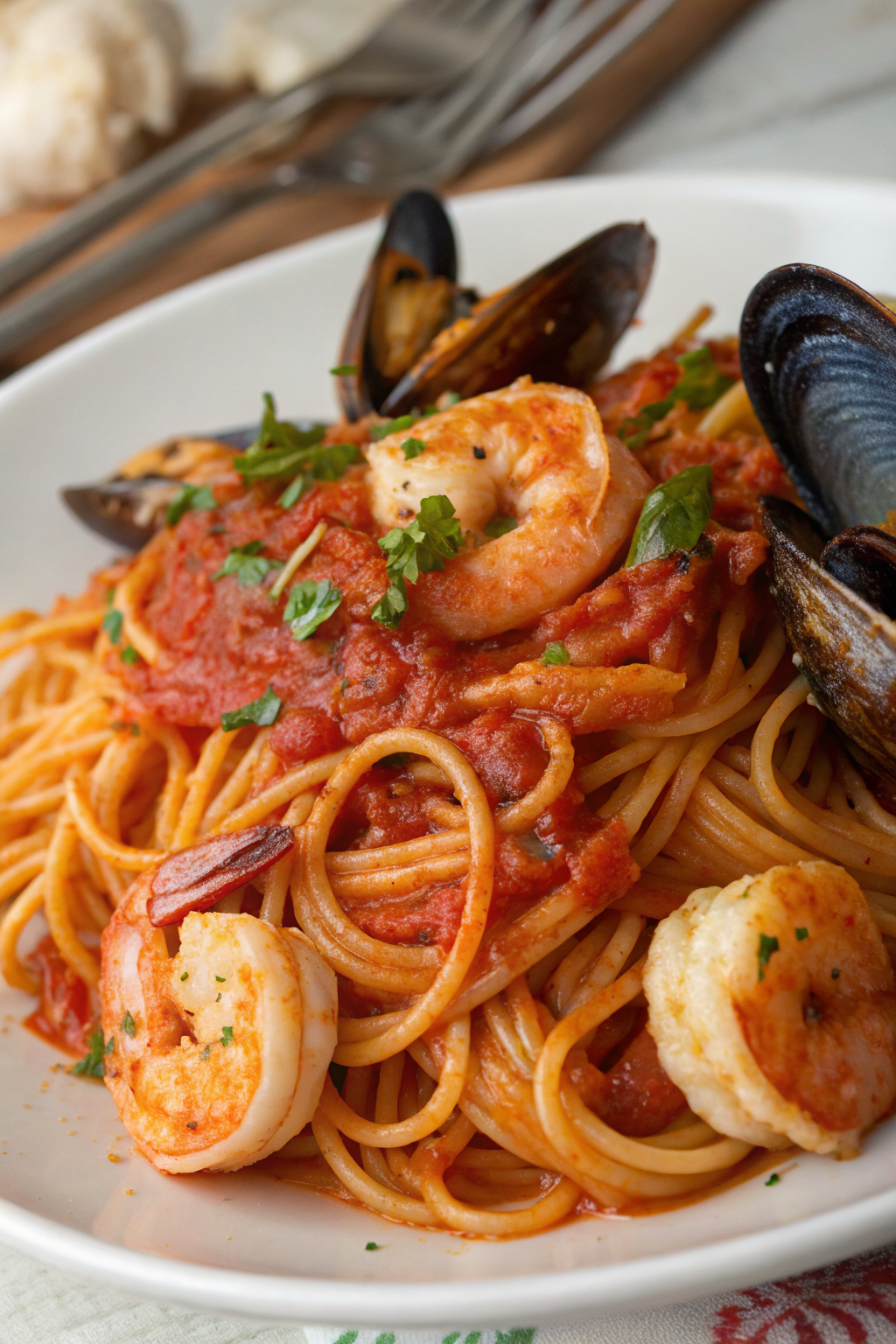
Shrimp Pasta Recipe
Ingredients
Instructions
- Cook the pasta in a large pot of salted boiling water according to package directions until al dente. Reserve 1/2 cup of pasta water, then drain.
- While the pasta cooks, pat the shrimp dry and season lightly with salt and black pepper.
- Heat the olive oil and 1 tablespoon of the butter in a large skillet over medium-high heat.
- Add the shrimp in a single layer and cook 1–2 minutes per side, just until pink and opaque. Transfer shrimp to a plate and set aside.
- Reduce heat to medium, add remaining butter to the skillet, then stir in the garlic and red pepper flakes. Sauté for 30–60 seconds until fragrant but not browned.
- Pour in the white wine or chicken broth and simmer for 2–3 minutes, scraping up any browned bits from the bottom of the pan.
- Stir in the lemon zest and lemon juice, then add the cooked pasta to the skillet, tossing to coat in the sauce. If needed, add a splash of reserved pasta water to loosen the sauce.
- Return the shrimp to the skillet, add Parmesan and parsley, and toss until everything is well combined and heated through. Adjust seasoning with additional salt and pepper to taste.
- Serve immediately, garnished with extra Parmesan and parsley if desired.
Notes
Approximate per serving (1/4 of recipe): 520 calories; fat 19 g; saturated fat 7 g; carbohydrates 55 g; fiber 3 g; sugars 3 g; protein 32 g; sodium 780 mg. Values will vary based on specific ingredients, brands, and portion size.
Leave a Reply