
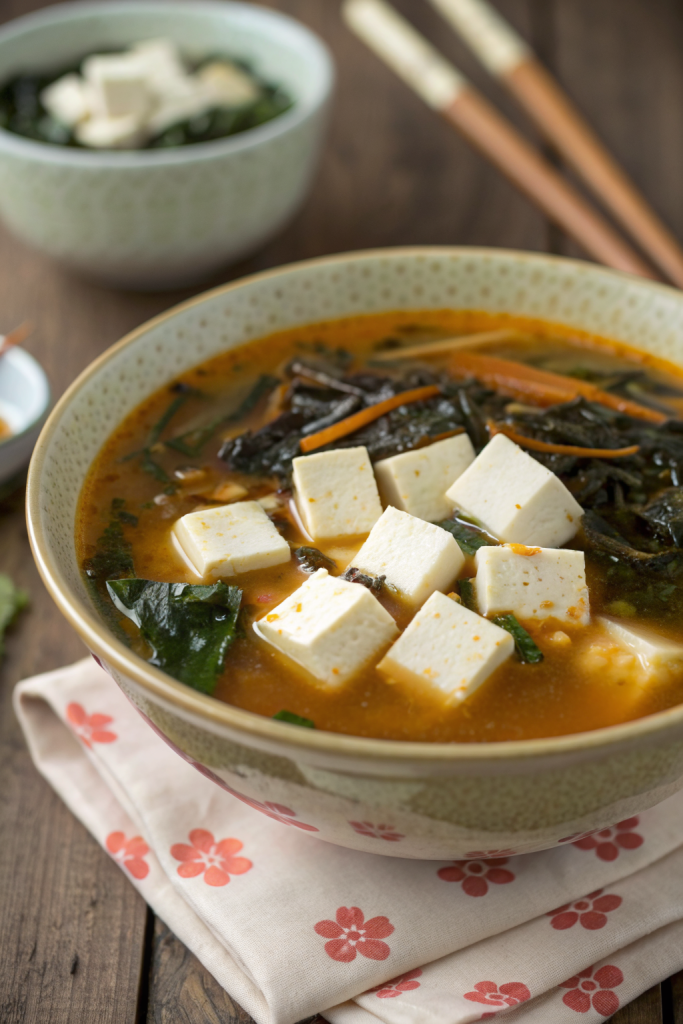
10 Japanese Recipe Ideas that I love include chicken karaage, salmon teriyaki, miso soup, okonomiyaki, gyudon, chicken katsu, onigiri, yakisoba, tofu katsu curry, and tamagoyaki, and they all bring that cozy umami comfort you get in a tiny Tokyo diner. These recipes work well for busy home cooks who want weeknight-friendly Japanese food in about 20 to 60 minutes each, with plenty of pantry shortcuts. I test these on my own family in a small American kitchen, so if my picky nephew approves, you probably will too.
Why Make This 10 Japanese Recipe Ideas at Home
Homemade Japanese recipes give you control over salt, sweetness, and oil, so you can tweak each dish to your taste and dietary needs. You also skip takeout prices while still getting crispy karaage, silky miso soup, and fluffy tamagoyaki on a regular Tuesday.
You can prep many of these 10 Japanese Recipe Ideas with basic pantry items like soy sauce, mirin, miso, and rice vinegar. Once you stock those, you mix and match them across all ten dishes, which keeps your grocery list short and your dinners interesting.
“These 10 Japanese Recipe Ideas taste like a cozy izakaya menu at home, without the takeout bill or mystery ingredients ★★★★★”
Ingredients You Need
Below you will find a master list that covers the 10 Japanese Recipe Ideas. You do not need every single item for every dish, so you can pick and choose based on what you crave.
Core Japanese pantry
- Soy sauce: Use regular Japanese soy sauce such as Kikkoman or Yamasa; low sodium works if you watch salt.
- Mirin: Sweet rice seasoning; if you cannot find it, mix 3 parts sake or apple juice with 1 part sugar as a quick fix.
- Sake: Cooking sake adds depth; if unavailable, use dry apple juice or unsalted chicken broth and a tiny pinch of sugar.
- Rice vinegar: Mild acidity that seasons rice and dressings.
- Miso paste: White miso for mild sweetness, red miso for deeper flavor; keep it in the fridge.
- Sugar: Regular granulated sugar works; you can swap in honey in small amounts.
- Neutral oil: Use canola, grapeseed, or vegetable oil for frying and sautéing.
- Sesame oil: Adds nutty aroma; use at the end of cooking, not for deep frying.
- Dashi powder: Pantry shortcut for broth; look for kombu and bonito based granules or a vegan kombu and shiitake version.
Proteins
- Chicken thighs: Use boneless skin-on for karaage and chicken katsu; thighs stay juicy.
- Chicken breasts: Slice thin for lighter katsu or stir fry.
- Beef: Thinly sliced ribeye or chuck for gyudon; ask the butcher to slice hot pot style.
- Salmon fillets: Skin-on fillets for salmon teriyaki; frozen fillets thawed in the fridge work fine.
- Firm or extra firm tofu: Press it for tofu katsu curry or pan frying.
- Eggs: Use large eggs for tamagoyaki and for breading cutlets.
Vegetables and aromatics
- Green onions: Use for miso soup, gyudon, and garnishes.
- Yellow onions: Essential for gyudon and yakisoba.
- Cabbage: Shredded for okonomiyaki and yakisoba.
- Carrots: Matchsticks for yakisoba and bento sides.
- Garlic and ginger: Fresh cloves and knobs for marinades and sauces.
- Potatoes and carrots: For curry if you make a quick Japanese curry base.
- Nori sheets: Use for onigiri and as a topping for okonomiyaki.
Carbs and noodles
- Japanese short grain rice: Use for gyudon, onigiri, and as a side; rinse until water runs almost clear.
- Yakisoba noodles: Pre-steamed packs from the Asian aisle; you can swap in ramen noodles if needed.
- Panko breadcrumbs: Essential for chicken katsu and tofu katsu; they fry up extra crisp.
- All purpose flour and cornstarch: Use for karaage coating and dredging cutlets.
Sauces and condiments
- Ketchup and Worcestershire sauce: Mix them for quick okonomiyaki sauce and yakisoba sauce.
- Japanese mayo: Kewpie gives that rich, tangy finish on okonomiyaki and sandwiches.
- Tonkatsu sauce: Bottle of this saves time; you can also mix Worcestershire, ketchup, and soy sauce.
- Curry roux blocks: Pantry shortcut for Japanese curry that you can pour over katsu or tofu.
- Furikake: Rice seasoning with sesame, seaweed, and sometimes bonito; use on rice and onigiri.
Equipment list
- Rice cooker or heavy pot with lid for rice.
- Nonstick skillet for tamagoyaki and pan frying.
- Cast iron or stainless skillet for searing and stir frying.
- Medium pot for miso soup and curry.
- Deep pot or Dutch oven plus thermometer for frying karaage and katsu.
- Mixing bowls, tongs, and a wire rack for draining fried foods.
- Sharp chef’s knife and cutting board.
Tips & Mistakes
- Use chicken thighs for karaage and katsu, since thighs stay juicy and forgiving if you cook them a little longer.
- Pat proteins very dry before coating or searing, or you risk soggy crusts and weak browning.
- Heat oil fully before frying; lukewarm oil soaks food and turns everything greasy.
- Slice beef and vegetables thin for gyudon and yakisoba so they cook fast and stay tender.
- Add miso paste to hot broth off the heat, or you dull the flavor and lose aroma.
- Season rice while it stays warm, not hot, so the grains keep structure and absorb seasoning evenly.
- Avoid crowding pans, especially when you fry or stir fry, or you steam food instead of crisping it.
- Taste sauces as you go; Japanese recipes often balance salty, sweet, and savory, so adjust sugar and soy in small steps.
- Use panko instead of regular breadcrumbs for katsu, since panko gives that signature airy crunch.
- Pack onigiri with slightly warm rice and wet or salted hands, or the rice sticks and crumbles.
How to Make 10 Japanese Recipe Ideas
1. Chicken karaage
-
Cut boneless chicken thighs into bite size pieces and place them in a bowl.
-
Add soy sauce, grated garlic, grated ginger, a little sake or broth, and a pinch of sugar.
-
Toss everything, cover, and chill for 30 minutes to 2 hours.
-
Mix equal parts flour and cornstarch in a shallow dish.
-
Coat each piece of marinated chicken in the flour mixture and shake off excess.
-
Heat neutral oil in a deep pot to about 340 to 350°F and keep a thermometer handy.
-
Fry chicken in small batches until the crust turns pale golden, about 3 to 4 minutes.
-
Lift pieces to a wire rack, rest 1 minute, then fry again for 1 to 2 minutes until deep golden and crisp.
-
Sprinkle with salt and serve with lemon wedges and Japanese mayo.
2. Salmon teriyaki
-
Pat salmon fillets dry and season lightly with salt.
-
Mix soy sauce, mirin, sake or apple juice, and sugar in a small bowl.
-
Heat a nonstick skillet with a little oil over medium heat.
-
Sear salmon skin side down until the skin turns crisp and the sides turn opaque halfway up.
-
Flip the fillets and pour in the teriyaki sauce mixture.
-
Spoon the bubbling sauce over the salmon until it glazes and thickens slightly.
-
Turn off heat once the salmon flakes easily with a fork.
-
Serve over rice with extra sauce and sliced green onions.
3. Miso soup
-
Heat water in a pot and stir in dashi powder according to package directions.
-
Cut soft tofu into small cubes and slice green onions thin.
-
Add tofu to the hot dashi and keep the heat low so it gently simmers.
-
Place miso paste in a small bowl and whisk it with a ladle of hot broth until smooth.
-
Stir the miso mixture back into the pot with the heat off or very low.
-
Add green onions and taste, then adjust with a little more miso if needed.
-
Serve miso soup hot with extra green onions or a sprinkle of wakame seaweed.
4. Okonomiyaki (savory cabbage pancake)
-
Shred cabbage finely and place it in a large bowl with sliced green onions.
-
In another bowl, whisk eggs, water or dashi, and a little soy sauce.
-
Add flour and baking powder to the egg mixture and stir until just combined.
-
Pour the batter over the cabbage and toss until everything coats evenly.
-
Heat a nonstick skillet with a bit of oil on medium and spoon in a thick layer of batter.
-
Shape it into a round pancake and cook until the bottom browns and the center firms slightly.
-
Flip carefully and cook the other side until cooked through.
-
Slide onto a plate and top with okonomiyaki sauce, Japanese mayo, bonito flakes if you eat fish, and nori strips.
5. Gyudon (beef bowl)
-
Slice onions thin and place them in a pot with dashi or water, soy sauce, mirin, sake or apple juice, and sugar.
-
Simmer until the onions turn soft and sweet.
-
Add very thinly sliced beef to the simmering broth and stir gently.
-
Cook just until the beef loses its pink color and stays tender.
-
Taste the broth and adjust sweetness or salt with a little sugar or soy sauce.
-
Spoon hot rice into bowls and ladle the beef and onions over the top with some broth.
-
Garnish with pickled ginger and green onions.
6. Chicken katsu
-
Pound chicken thighs or breasts to an even thickness and season with salt and pepper.
-
Set up three dishes: flour, beaten eggs, and panko breadcrumbs.
-
Dredge chicken in flour, dip in egg, then coat in panko, pressing gently.
-
Heat neutral oil in a skillet to about 340°F.
-
Fry chicken until the crust turns golden and the inside cooks through, flipping once.
-
Drain on a wire rack so the crust stays crisp.
-
Slice into strips and serve over rice with shredded cabbage and tonkatsu sauce.
7. Onigiri (rice balls)
-
Cook Japanese short grain rice and let it cool until warm but not hot.
-
Prepare fillings such as tuna mixed with mayo and soy sauce, salted salmon flakes, or umeboshi.
-
Wet your hands with water and rub a little salt on your palms.
-
Scoop a handful of rice into your palm, press a small dent in the center, and add filling.
-
Cover with a bit more rice and shape into a triangle or ball with firm but gentle pressure.
-
Wrap a strip of nori around the bottom or sides.
-
Pack onigiri in lunch boxes or serve right away.
8. Yakisoba
-
Slice cabbage, onions, and carrots into thin strips.
-
Loosen yakisoba noodles under warm water if they clump.
-
Mix a quick sauce with Worcestershire, soy sauce, ketchup, and a bit of sugar.
-
Heat oil in a large skillet and cook sliced pork, chicken, or tofu until browned.
-
Add vegetables and stir fry until crisp tender.
-
Toss in the noodles and pour the sauce over everything.
-
Stir fry until the noodles absorb the sauce and pick up a little char.
-
Top with green onions, pickled ginger, and a sprinkle of aonori if you have it.
9. Tofu katsu curry
-
Press firm tofu between paper towels and a plate for 15 to 20 minutes to remove moisture.
-
Cut tofu into cutlet sized slabs and season lightly with salt and pepper.
-
Coat in flour, dip in beaten egg or plant based egg, and press into panko.
-
Fry tofu in hot oil until golden and crisp on both sides.
-
In a separate pot, sauté onions, carrots, and potatoes until they soften slightly.
-
Add water and simmer until vegetables turn tender.
-
Turn off heat, add curry roux blocks, and stir until they melt into a thick sauce.
-
Serve rice in a bowl, ladle curry over one side, and place sliced tofu katsu on top.
10. Tamagoyaki (rolled omelet)
-
Beat eggs in a bowl with a pinch of sugar, soy sauce, and a splash of dashi or water.
-
Heat a small nonstick pan over medium low heat and oil it lightly.
-
Pour a thin layer of egg into the pan and tilt to coat the bottom.
-
When the egg sets but still looks slightly soft on top, roll it from one side to the other with chopsticks or a spatula.
-
Push the roll back to the starting side, oil the pan lightly again, and pour in more egg.
-
Lift the roll so the new egg flows underneath it.
-
Repeat until you use all the egg and you build a layered roll.
-
Let it cool slightly, then slice into thick pieces and serve warm or at room temperature.
Variations I've Tried
I swap chicken thighs with oyster mushrooms for a vegetarian karaage that still tastes juicy and crisp. I also bake panko crusted salmon instead of frying and drizzle it with teriyaki sauce for a lighter twist. I use brown rice for gyudon and onigiri when I want extra fiber, and I mix in a little white rice to keep that sticky texture.
I add kimchi to yakisoba for a spicy kick and toss in extra cabbage for crunch. I roll cheese or nori strips inside tamagoyaki for bento boxes, which kids usually love. I also use air fryer chicken katsu on busy nights, and it still turns out crunchy with a fraction of the oil.
How to Serve 10 Japanese Recipe Ideas
Serve these 10 Japanese Recipe Ideas family style, with a big pot of rice in the center and smaller dishes like karaage, miso soup, and okonomiyaki around it. Pair richer dishes such as chicken katsu and gyudon with simple sides like sliced cucumbers, steamed broccoli, or a basic green salad. Offer toppings on the table, such as sliced green onions, nori strips, sesame seeds, and pickled ginger, so everyone can customize. Pour hot green tea, iced barley tea, or sparkling water with lemon to round out the meal.
How to store
- Chicken karaage and katsu: Cool completely, then store in an airtight container in the fridge for up to 3 days; reheat on a wire rack in a hot oven or air fryer until crisp.
- Miso soup: Keep broth and miso separate if possible; store both in the fridge for up to 3 days and stir miso into hot broth right before serving.
- Rice and onigiri: Store plain rice in the fridge for up to 3 days and sprinkle with a little water before reheating; eat onigiri within 1 to 2 days and keep them wrapped tightly.
- Salmon teriyaki and gyudon: Store in containers in the fridge for up to 3 days; reheat gently on the stove with a splash of water or broth.
- Yakisoba and okonomiyaki: Keep leftovers in the fridge for up to 3 days; reheat in a skillet over medium heat so they regain some texture.
- Tofu katsu curry and tamagoyaki: Store curry and katsu separately in the fridge for up to 4 days; keep tamagoyaki in a sealed container for 3 days and enjoy cold or at room temperature.
- Freezer tips: Freeze plain cooked rice, katsu cutlets, and karaage on a tray, then move them to freezer bags for up to 1 month; reheat rice in the microwave with a sprinkle of water and reheat fried items in a hot oven or air fryer.